Trump's Canada Trade War May Force the Fed Back to QE
Escalating U.S.-Canada trade tensions could push the Federal Reserve toward quantitative easing, a move that would ripple across gold, stocks, and bonds.
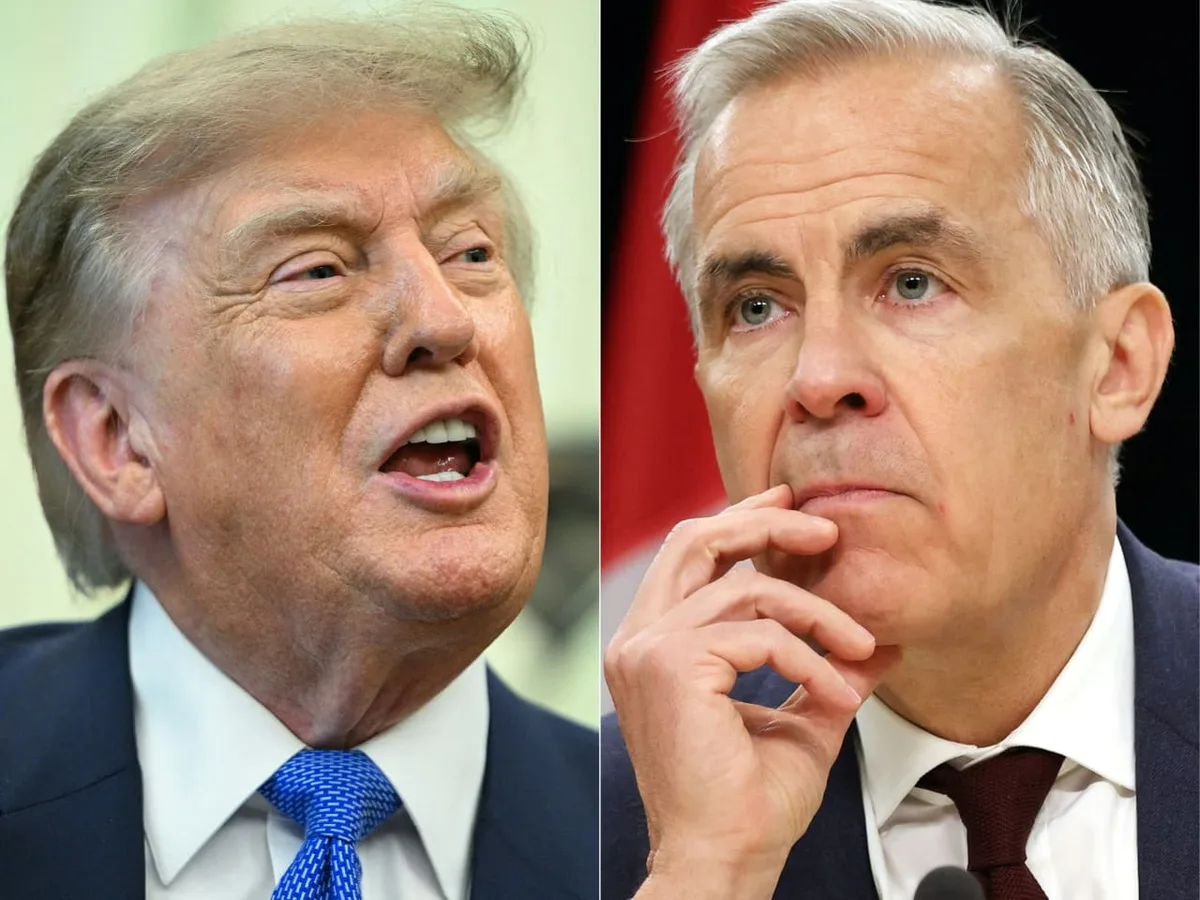
Here's the trade nobody's talking about loudly enough: Trump's tariff war with Canada isn't just a political spat — it could end with the Federal Reserve firing up the money printer again. That's the thesis making the rounds, and if you're positioned right, it's a massive opportunity across multiple asset classes.
The logic is straightforward. Aggressive tariffs on Canada choke supply chains, jack up prices for U.S. consumers and businesses, and slow economic growth. That's a stagflationary cocktail the Fed hates dealing with. If growth craters hard enough, the central bank eventually has to choose between fighting inflation and saving the economy. History says they pick the economy — and that means quantitative easing comes back on the table.
Read more Real and RE/MAX Complete Merger, Trade as REAX on Nasdaq →
When QE returns, the playbook is well-worn: gold surges because the dollar weakens and real yields drop. Long bonds rally as the Fed scoops up Treasuries to suppress rates. Stocks — especially growth names — catch a bid as discount rates fall and liquidity floods the system. None of this happens overnight, but the directional trade is clear if you believe the trade war escalates further.
The key word in that thesis is "eventually." The path to QE runs through economic pain first — think rising unemployment, shrinking GDP prints, and credit stress. Traders who jump the gun on the reflation trade could sit underwater for quarters before the Fed blinks. Timing this isn't easy, but knowing the destination helps you size your positions and manage your patience.
Watch Canada trade headlines like a hawk. Every escalation is a data point nudging the Fed closer to the exit ramp from tight policy. Gold, long-duration Treasuries, and rate-sensitive equities are your signposts. Continue reading at MarketWatch.com.